University of Copenhagen, Denmark
Working on strengthening the criteria for determining biogenicity in studies of early life on Earth and for future sample return missions.
I'm Gouripriya S. Menon, an aspiring astrobiologist from Kerala, India. With a background in geology and palaeontology, I'm driven by a deep curiosity about the origins of life on Earth and how that understanding can guide our search for life elsewhere in our solar system and beyond.
I am a PhD student at the University of Copenhagen, Denmark, where I work on improving how we tell biological carbon apart from non-biological carbon in Earth's oldest rocks: the 3.7 to 3.8 billion-year-old Isua Supracrustal Belt in Greenland.
I've always been fascinated by the intersection of philosophy and science, and this space is where I hope to bring together my thoughts, experiences and scientific journey.

Working on strengthening the criteria for determining biogenicity in studies of early life on Earth and for future sample return missions.
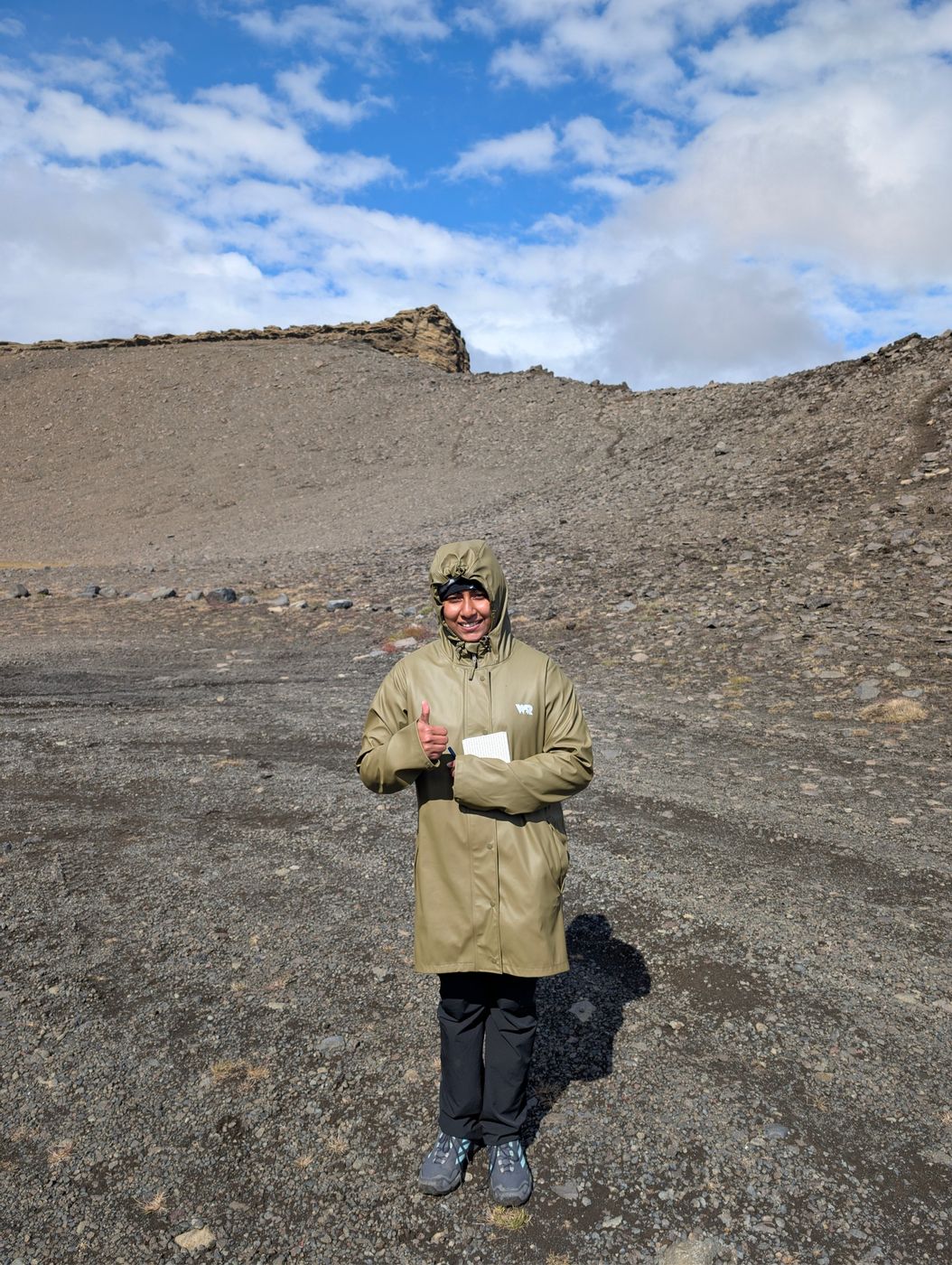
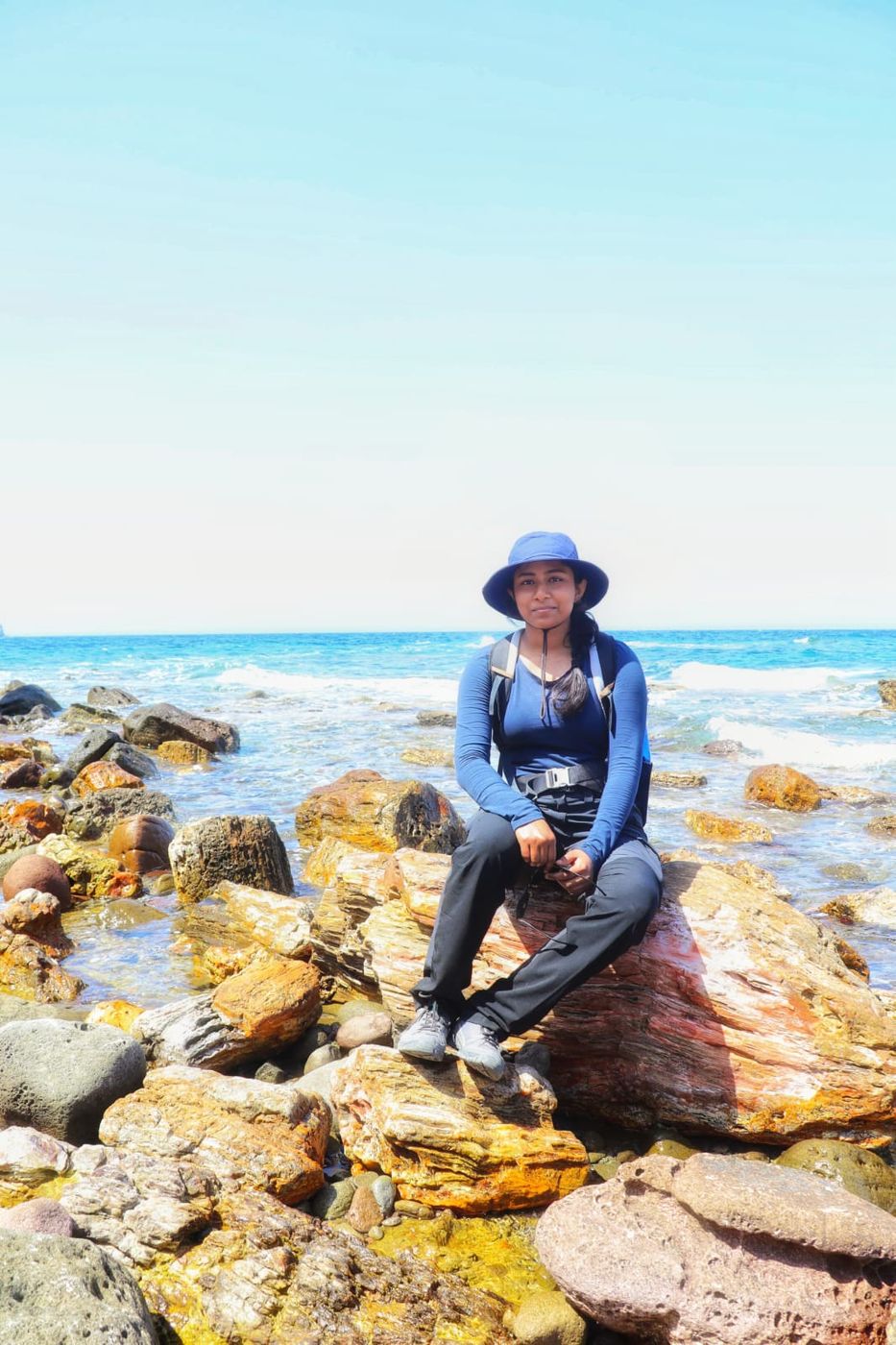
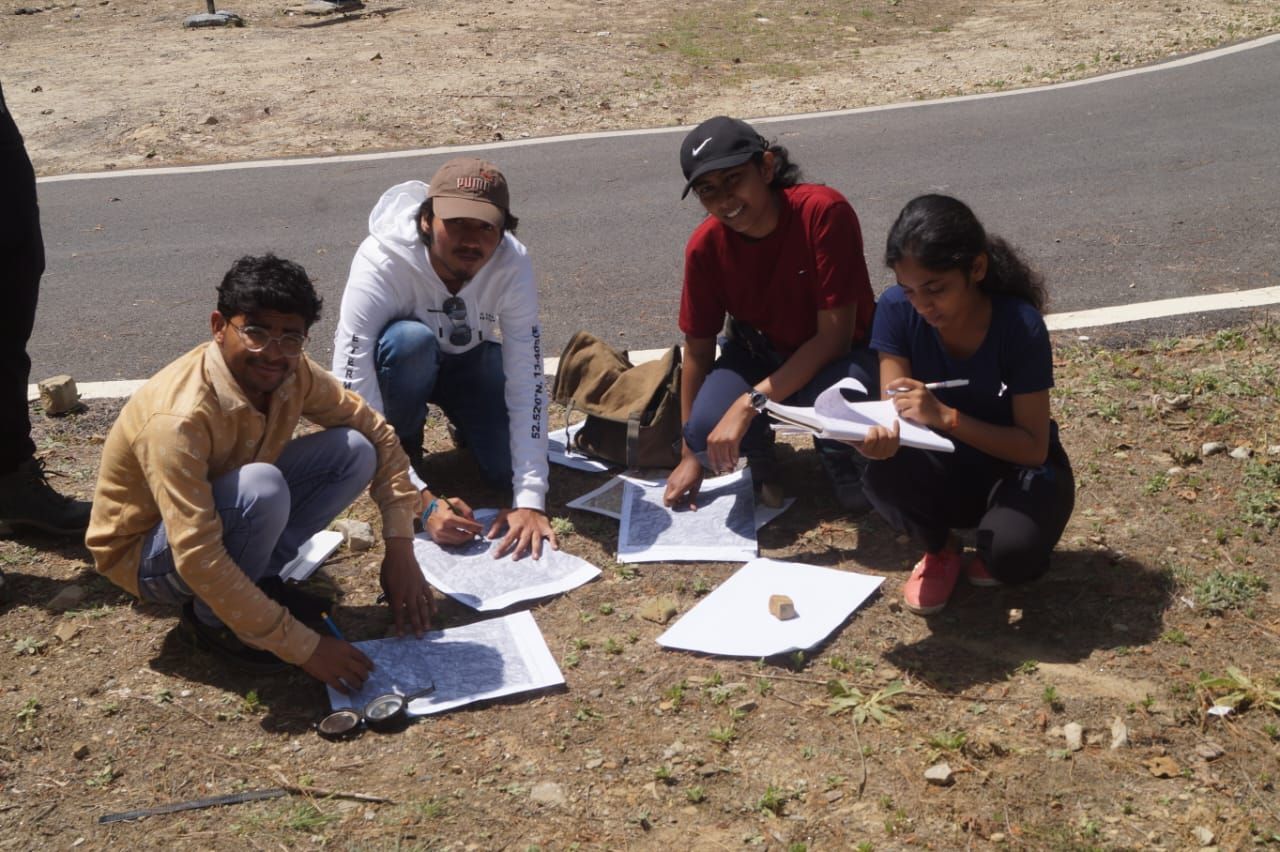
Fieldwork in Mars-analogue volcanic terrain, alongside presenting my PhD poster on graphite biogenicity.
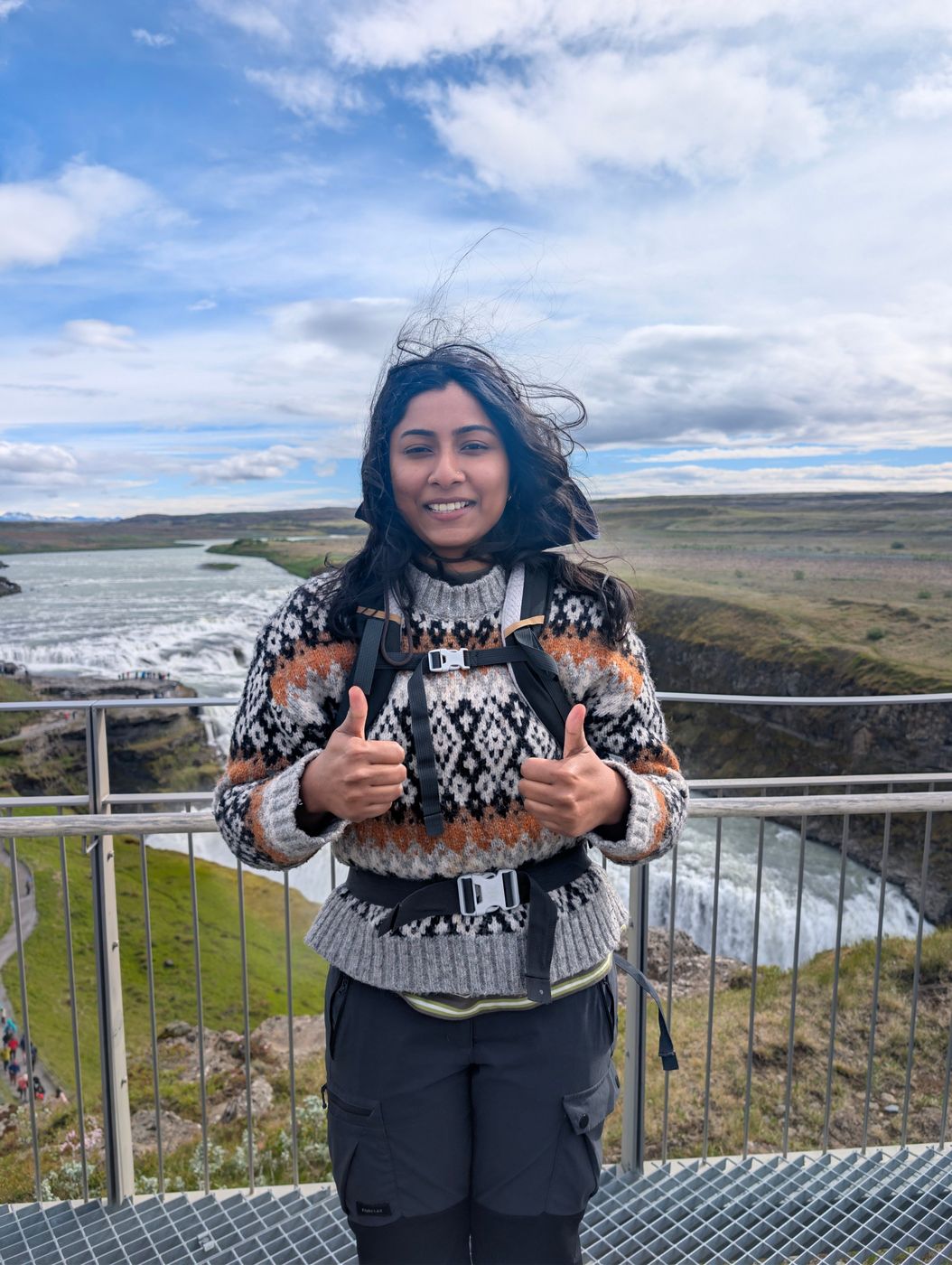
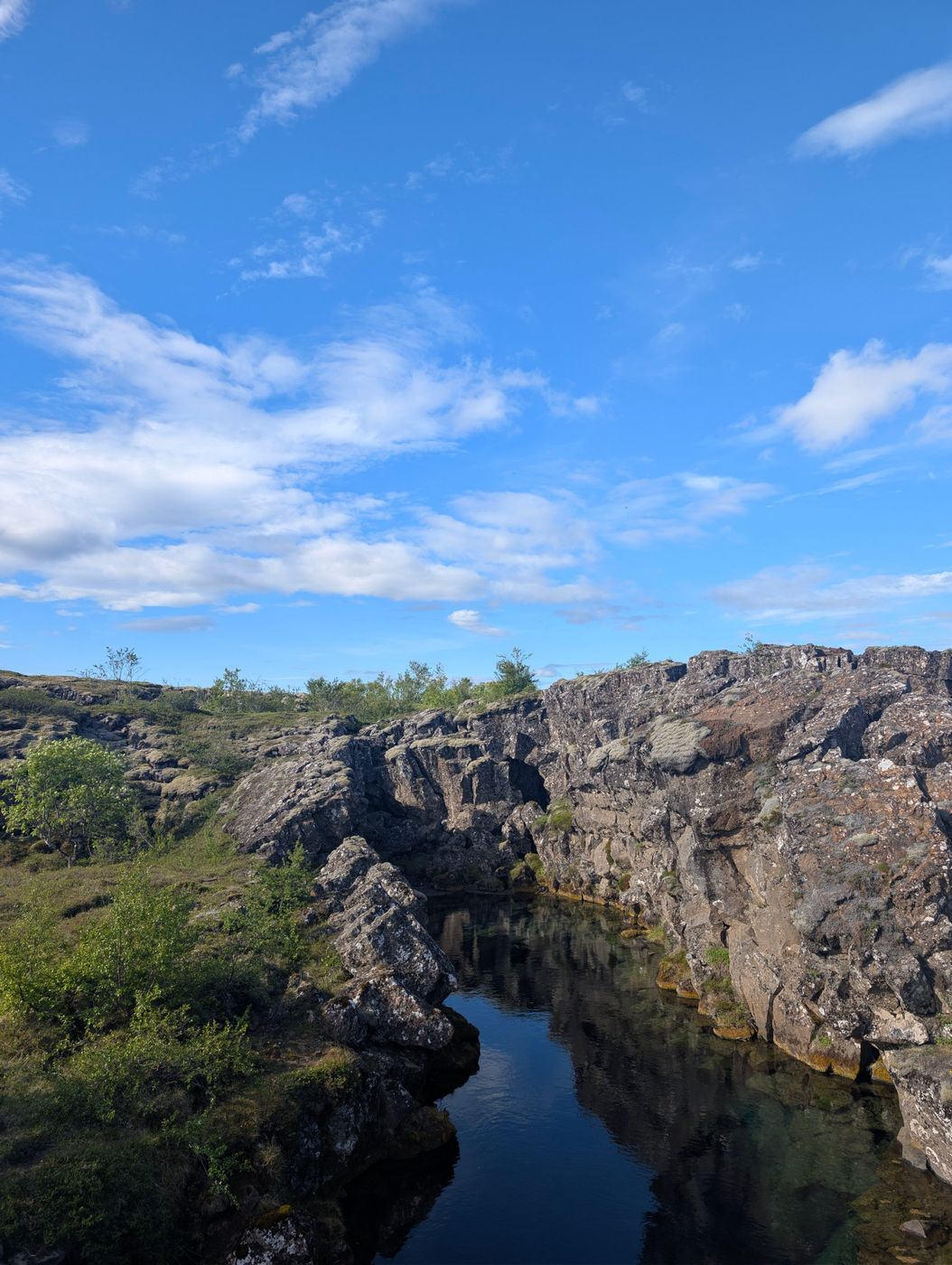
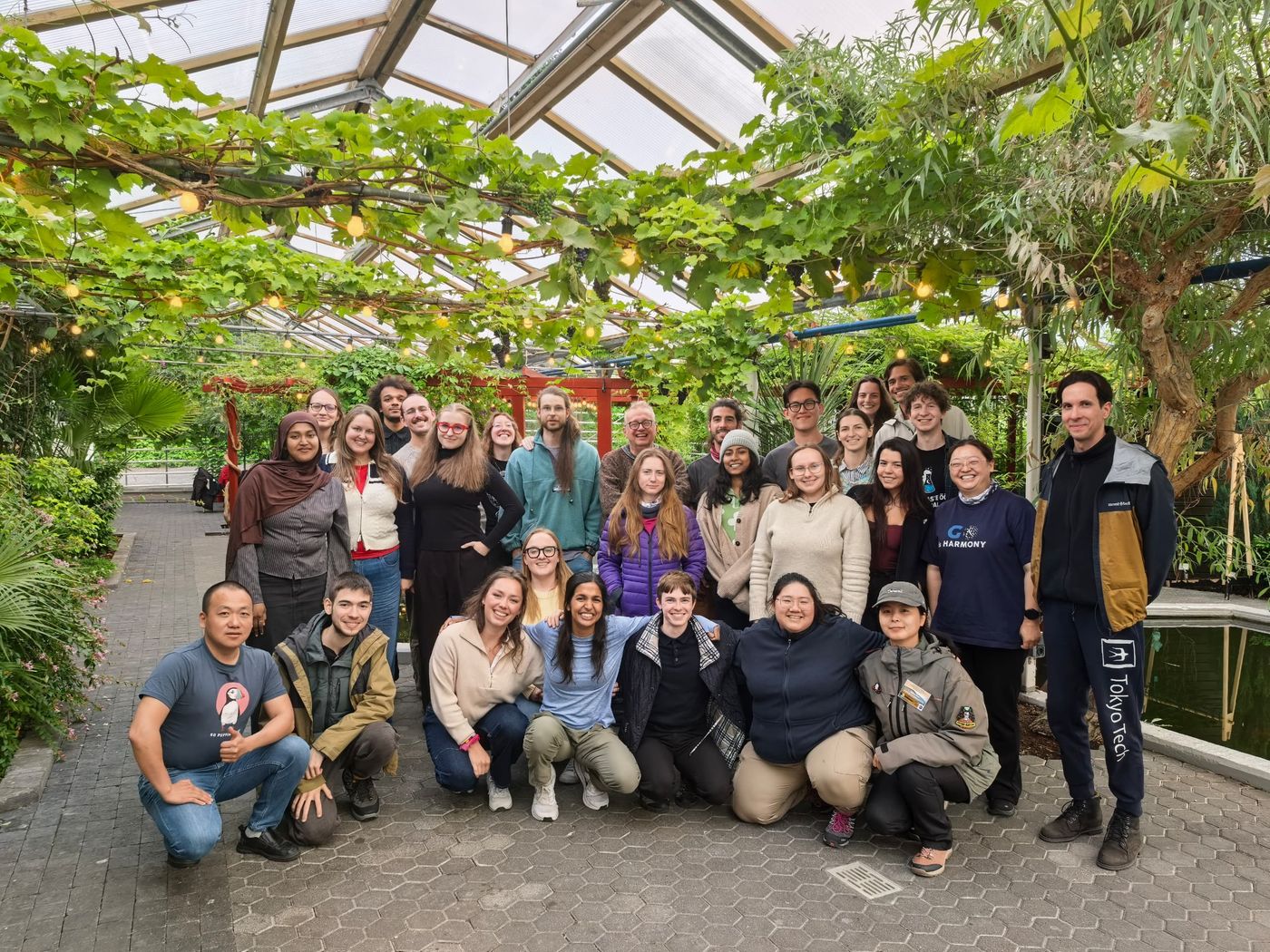
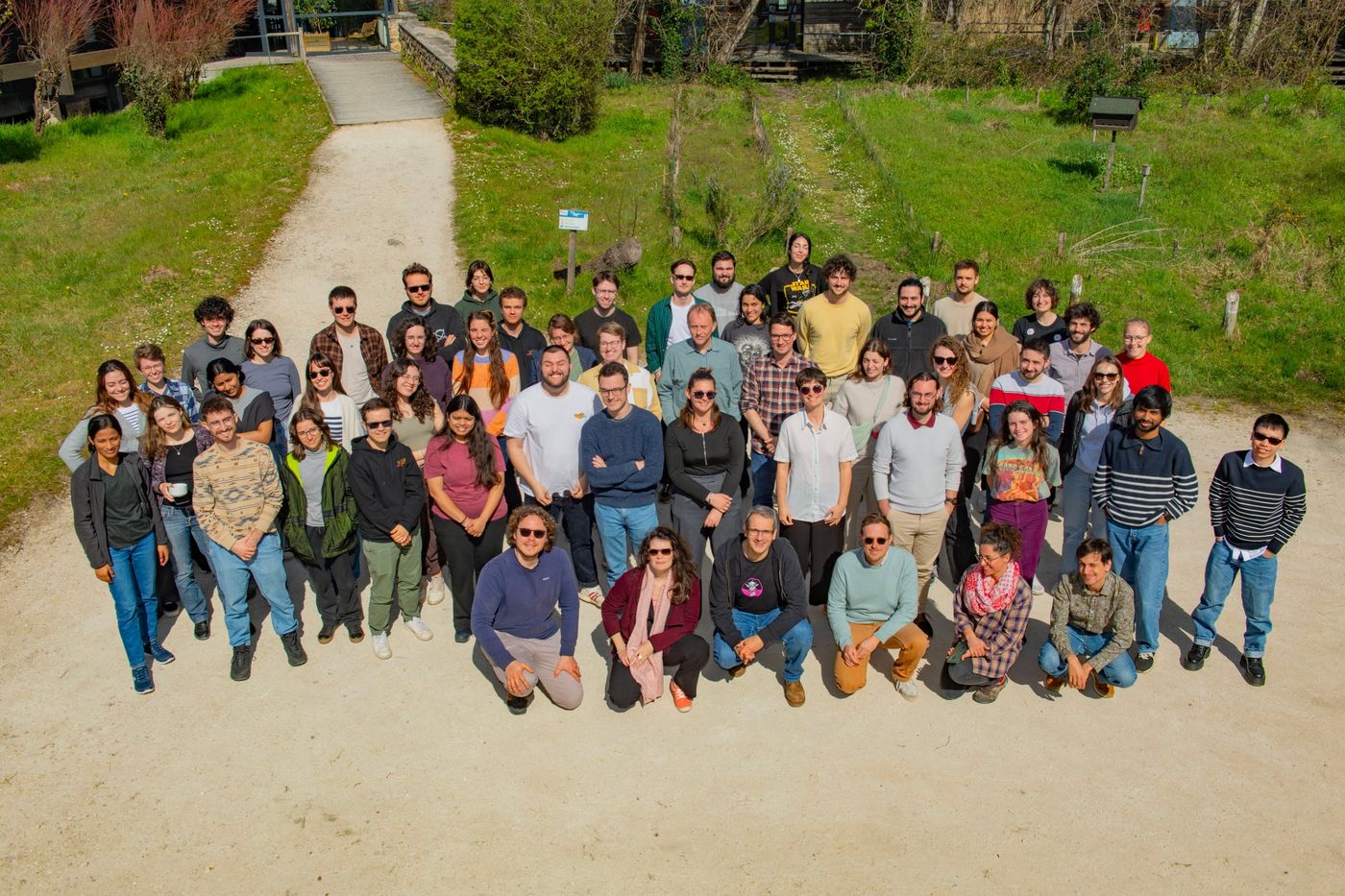
Hands-on workshops in geology and meteorite studies, a film night with discussion, an excursion to the Dune du Pilat, and student project presentations to close the week.
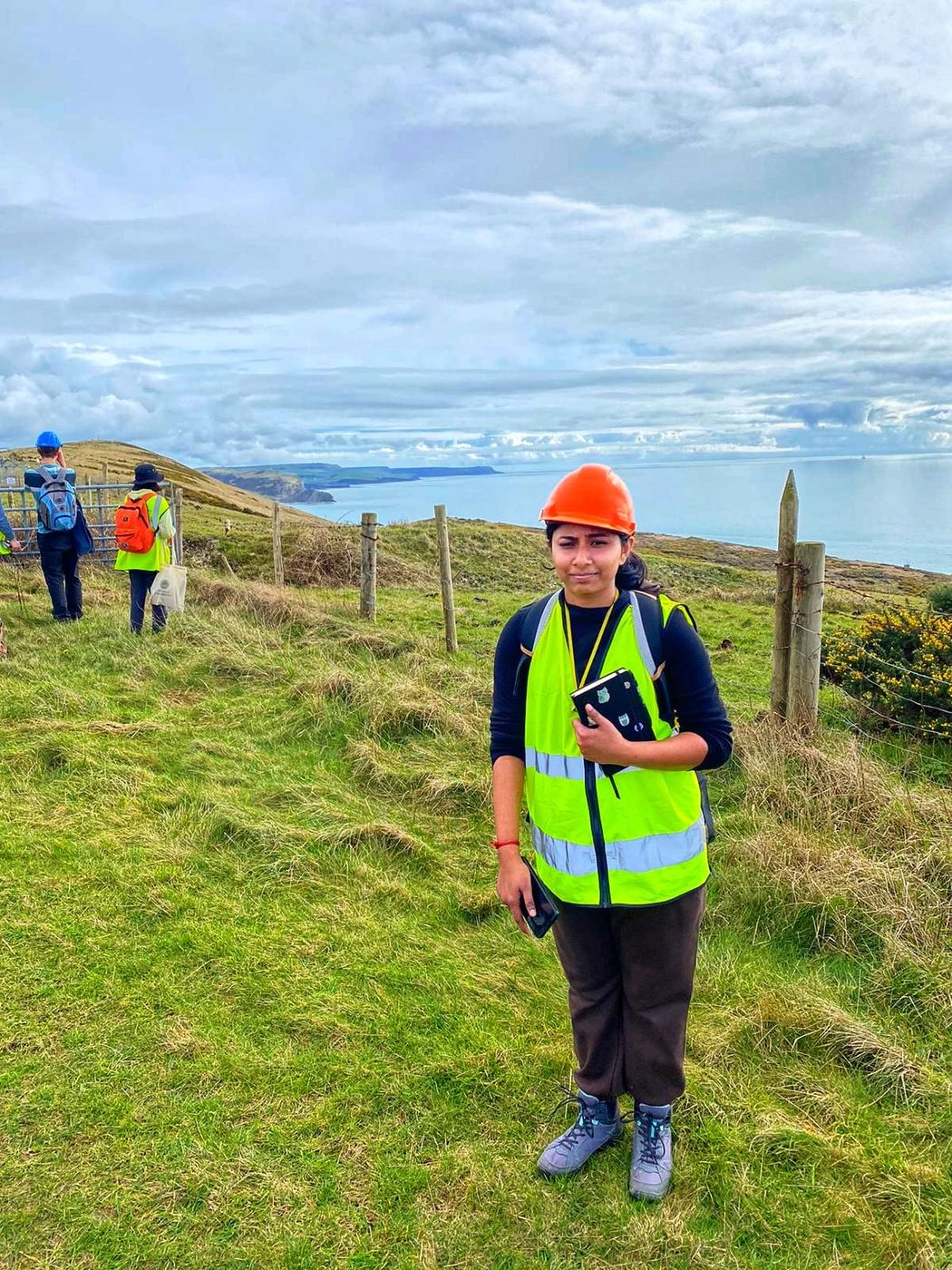
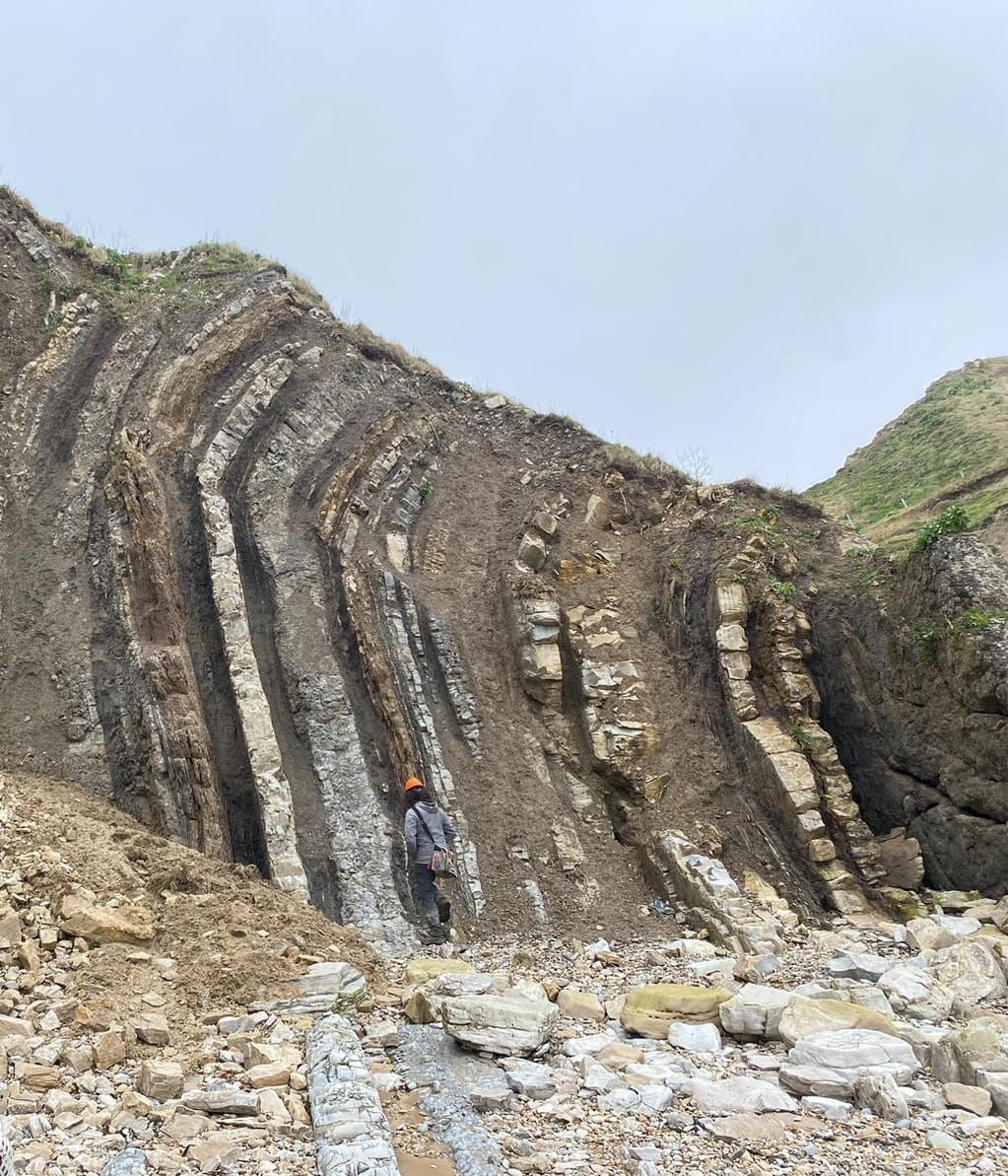
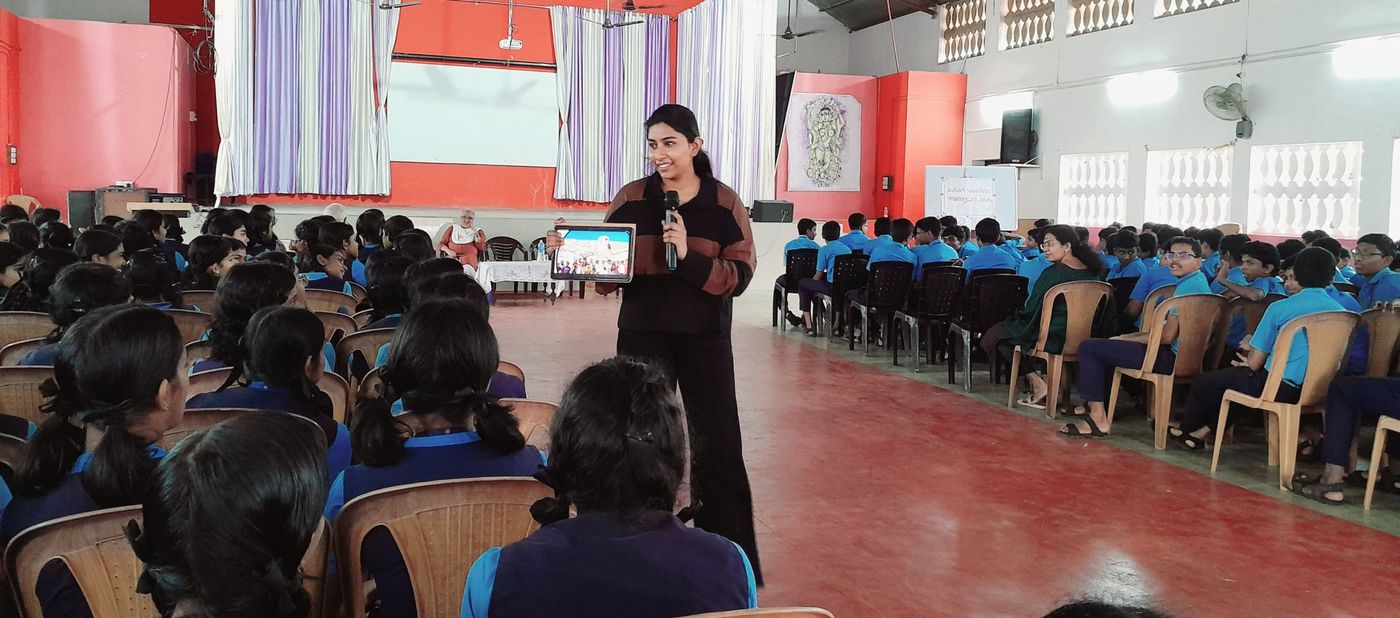
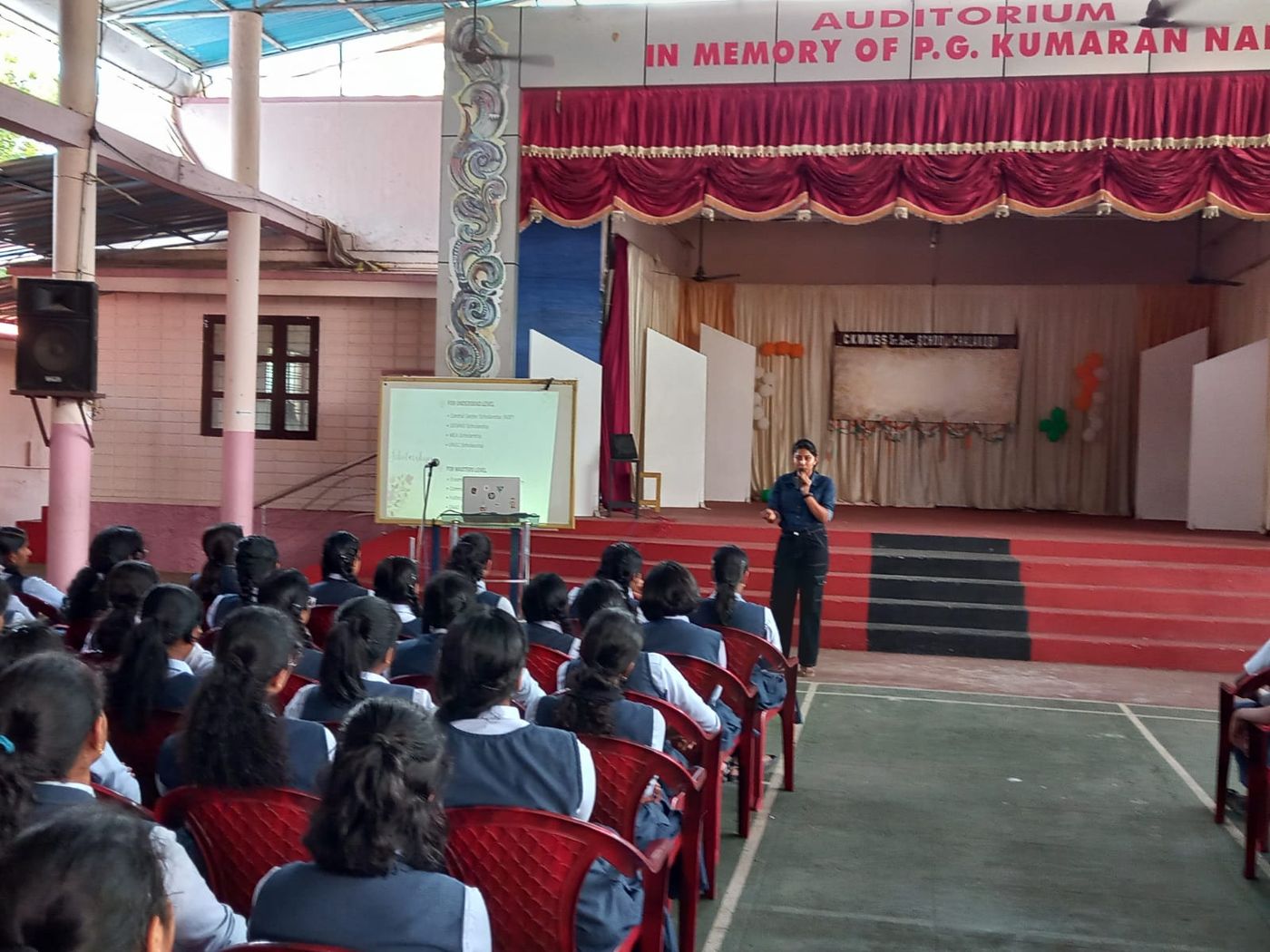
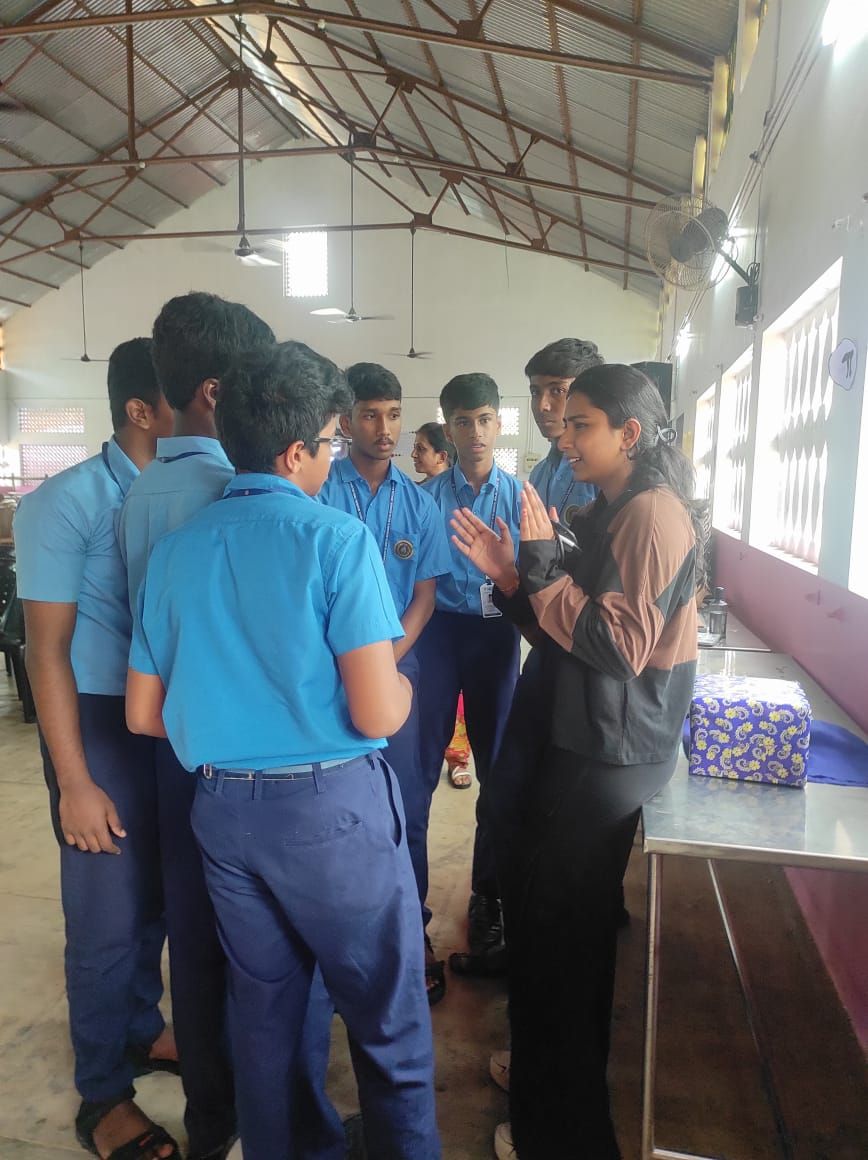
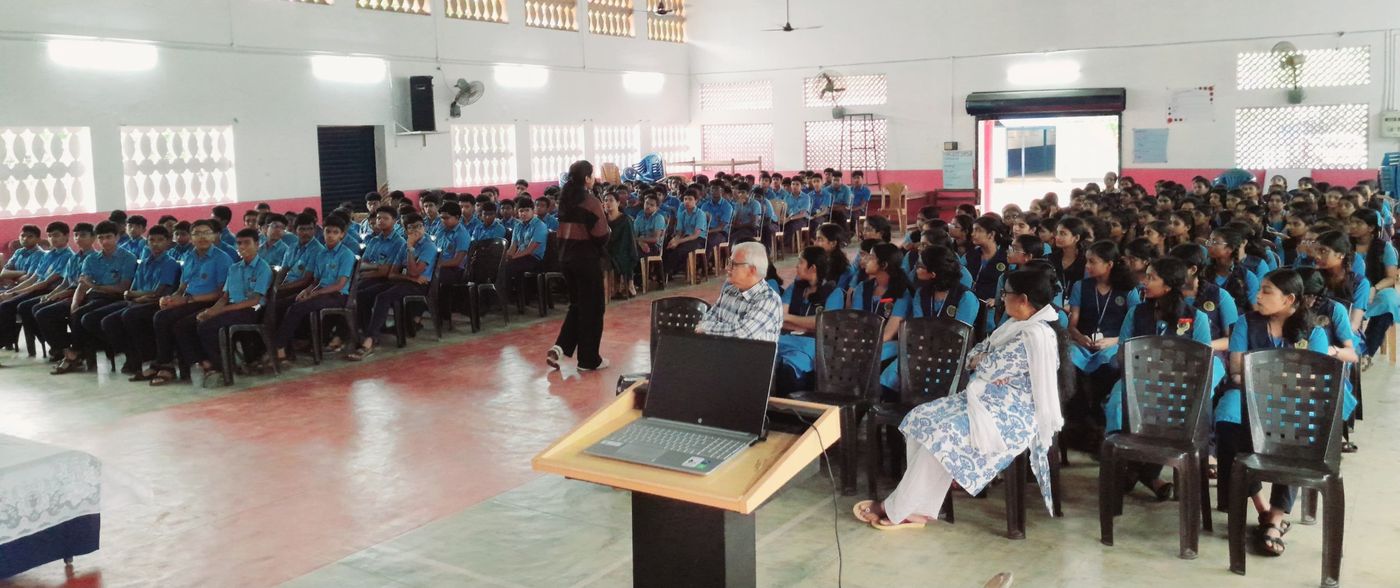
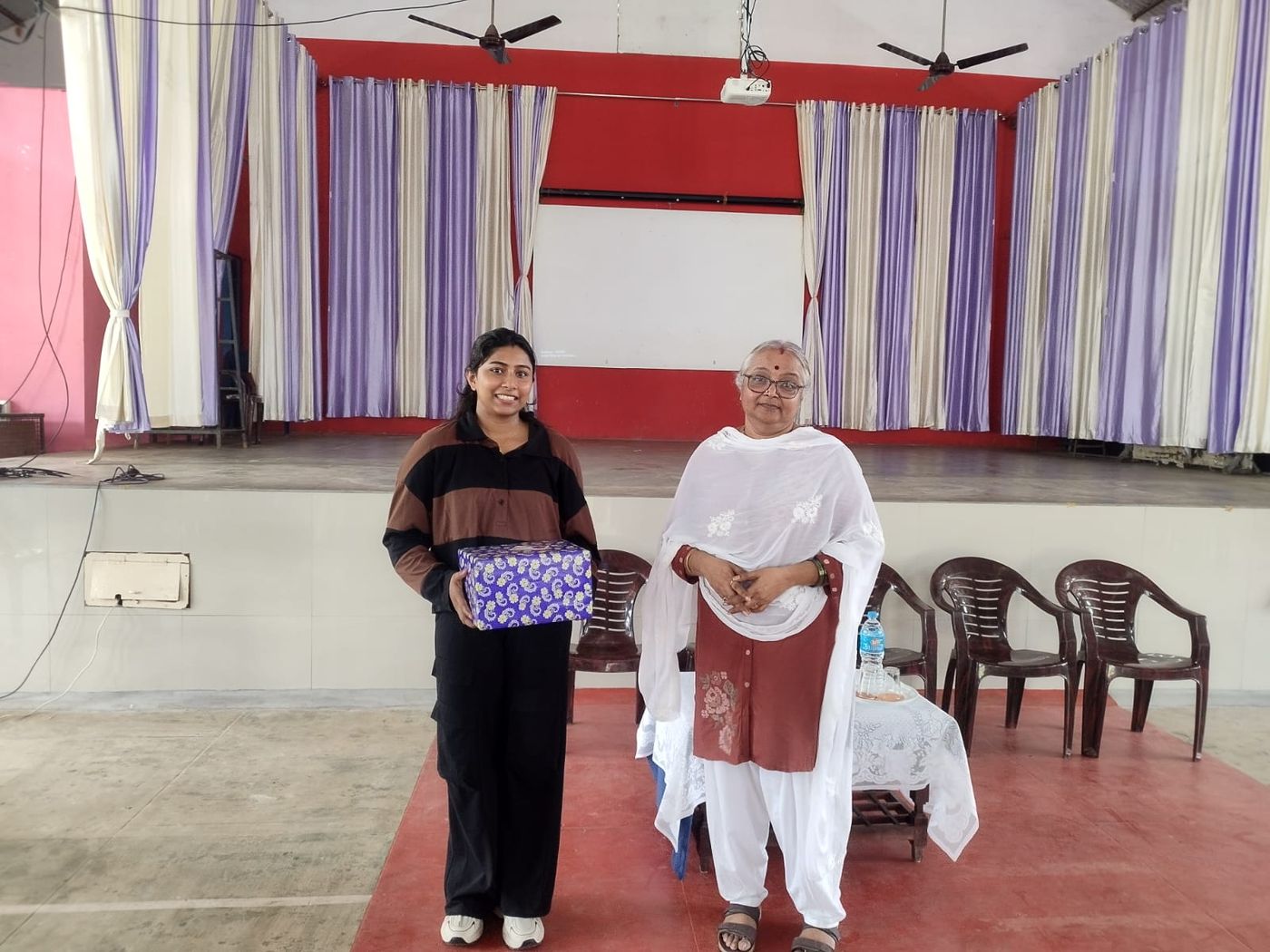
Gave career guidance talks to high school students on studying the earth and space sciences, and on scholarships for higher education in India and abroad.
Worked on the basics of remote sensing and GIS in ArcGIS 10.8.
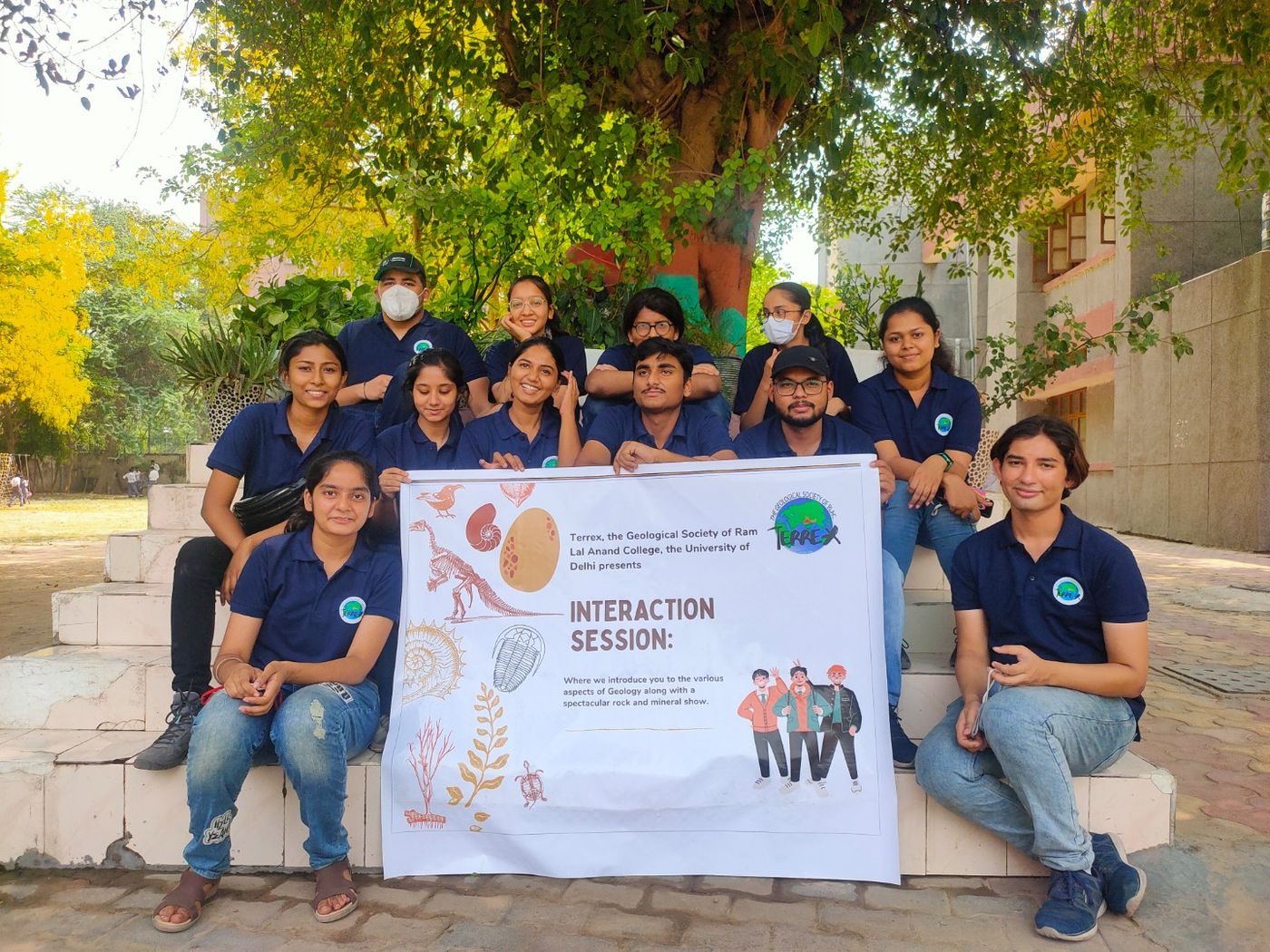
Took part in group discussions on geoheritage conservation and geoethics, and helped the organising committee run the event.
Created posts and reels on space science.
Supported an online workshop for high school students: assignment preparation, evaluation and session logistics.

Impact craters, and the hydrothermal systems they create, may be good places for microbial life, both on Earth and possibly on other planets. My thesis looked at the late Devonian Siljan impact crater in Sweden, a key example of how a crater can support deep microbial life hundreds of millions of years after the impact-driven hydrothermal activity has ended. Siljan is also known for significant microbial methane seepage.
These crater microbial communities are heterotrophic, so they could get their carbon and energy from hydrocarbons moving through the fractures the impact created. To test this in a modern setting, I searched the crater for hydrocarbon-degrading microorganisms, particularly fungi.
Crude oil was sampled from drill holes in the Solberga quarry and cultured on petri dishes. Pure cultures were identified by Sanger sequencing of the fungal ITS region and by microscopy with calcofluor staining. The redox indicator DCPIP (2,6-dichlorophenol-indophenol) served as a first test of hydrocarbon degradation, followed by hexane-based hydrocarbon extraction and GC-MS for a quantitative check.
Seven isolates were identified: Ascochyta phacae, Penicillium pancosmium, Rhodotorula mucilaginosa, Penicillium citreosulfuratum, Absidia glauca, Fusarium salinense and Mucor hiemalis. P. citreosulfuratum performed best in the DCPIP assays, and GC-MS confirmed hydrocarbon degradation in the samples, although some peaks could not be fully resolved.
Siljan fungi can break down the crater's crude oil and feed subsurface carbon cycling: their products could be used by methanogens in the crater to make methane. This supports the idea that impact craters can be long-lived biological systems. Seasonal methane changes detected on Mars suggest this kind of cycling might happen beyond Earth, and that heterotrophic life deserves a place alongside purely abiotic explanations.


Building a robust abiotic baseline to tell biological from non-biological carbon in 3.7 to 3.8 billion-year-old rocks.
In progressA review of the evidence for and against a biological origin of graphite in the Isua Supracrustal Belt, Greenland.
In progressUsed TEM, high-resolution TEM and EDX spectroscopy to probe the possible origins of organic matter in the sample, building an understanding of biogenicity criteria in early life studies. Supervised by Dr. Kevin Lepot.
Western AustraliaCompared foraminiferal diversity and density between two sampling sites on the Rhuys peninsula. Supervised by Dr. Eric Armynot du Châtelet.
MicropalaeontologyApplied quantitative methods to trace evolutionary patterns and diversity trends in trilobite assemblages across major geological periods.
Quantitative palaeontologyHands-on PCR and whole-mount in situ hybridisation to compare Odd gene expression in spiders and harvestmen, looking at traits shared by all chelicerates and those unique to spiders. Supervised by Dr. Ralf Janssen.
Evo-devoAnalysed how far, and in what pattern, the secondary ossification centres fuse with the bone shaft across mammal orders, using VGStudio.
3D imagingAlizarin red and Alcian blue staining to visualise bone and cartilage, plus fluorescent transgenic lines to follow cellular processes.
Developmental biology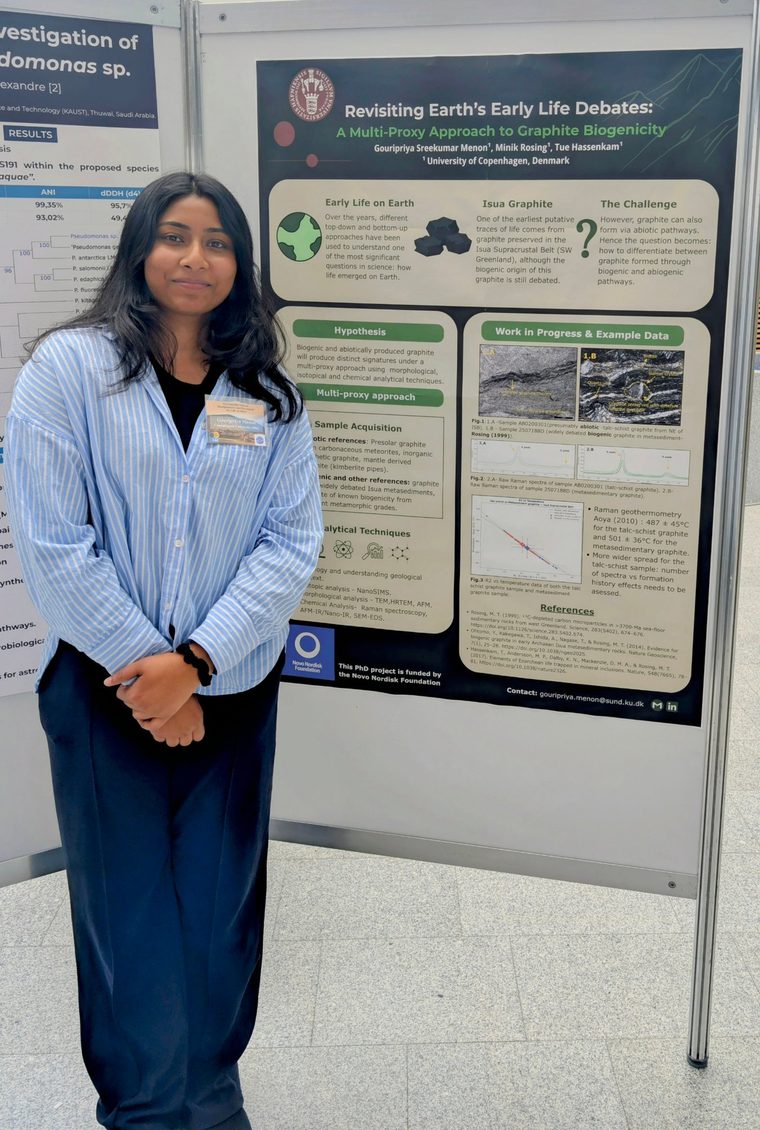
Presented at the Summer School on Biosignatures and the Search for Life on Mars. The poster sets out how morphological, isotopic and chemical techniques can be combined to tell biogenic graphite apart from graphite formed without life, using samples from the Isua Supracrustal Belt.
PosterAbstract accepted and travel grant awarded at the European Astrobiology Network Association conference.
Abstract · Travel grantUniversity of Oxford, United Kingdom.
AttendedVenus Science Conference, Physical Research Laboratory (PRL), India. Online.
TalkPaleontological Society of India, North Zone. Second place for poster presentation.
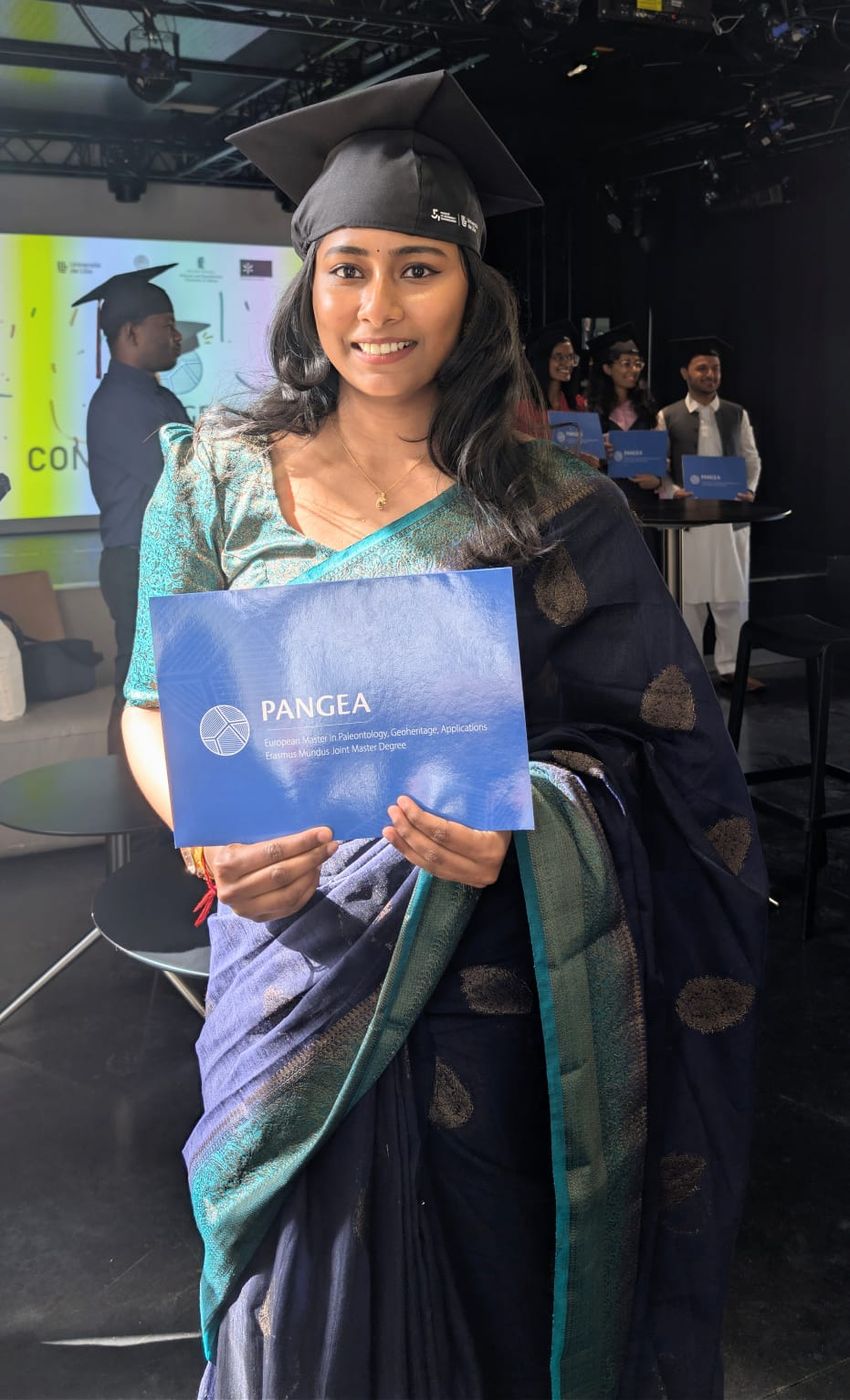
Poster · 2nd placeAwarded by the European Union for the PANGEA joint master's at the University of Lille, France and Uppsala University, Sweden.
American Association of Petroleum Geologists (AAPG).
Ranked in the top three of my B.Sc. Geology batch at the University of Delhi.
Department of Higher Education, Ministry of Human Resource Development (MHRD), Government of India.
For excellence in extracurricular activities.